
Description
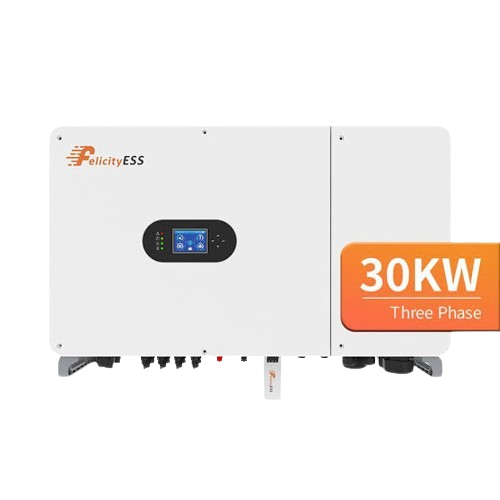
33KVA / 30kW THREE-PHASE HIGH-VOLTAGE HYBRID SOLAR INVERTER
Model: IVGM30KHP3G2 | With Wi-Fi Monitoring Module
System Type: High-Voltage Hybrid Solar Power System
Inverter Capacity: 33KVA / 30kW
Inverter Model: IVGM30KHP3G2
Operating Mode: On-Grid and Off-Grid
Protection Rating: IP65
Built-in MPPT Capacity: 48kW (16kW × 3)
Maximum Recommended PV Configuration: Up to 72 solar panels, depending on panel wattage and electrical compatibility
Battery Input Voltage Range: 160–800V DC
Monitoring: Wi-Fi monitoring module included
Price: KSh 240,000 for the inverter package, subject to confirmation of the supplied components.
1. Product Description
The 33KVA / 30kW IVGM30KHP3G2 Three-Phase High-Voltage Hybrid Inverter is an advanced solar power conversion solution designed for commercial buildings, industrial facilities, agricultural operations, institutions, and other businesses with substantial electricity requirements.
This hybrid inverter integrates solar energy generation, high-voltage lithium battery storage, grid connectivity, and intelligent power management into one system. It enables users to utilise solar energy during the day, store excess energy in compatible high-voltage batteries, and access stored energy when solar production is insufficient or when grid power is unavailable, subject to the system configuration.
With its 30kW rated power output and 33KVA apparent power capacity, the inverter is designed to support substantial three-phase electrical loads. Its three integrated MPPT channels provide a combined stated MPPT capacity of 48kW, allowing the solar array to be configured across multiple inputs for efficient solar energy harvesting.
The inverter supports both on-grid and off-grid operation, making it suitable for businesses seeking to reduce electricity bills, improve energy independence, and maintain continuity of power for essential operations.
Its IP65-rated enclosure provides protection against dust ingress and water jets, making it suitable for appropriately selected indoor or outdoor installation locations in accordance with the manufacturer’s installation requirements.
The included Wi-Fi monitoring module allows users to monitor system performance through a compatible monitoring platform, subject to internet connectivity, configuration, and application support.
2. Technical Specifications
| Specification | Details |
|---|---|
| Product category | High-voltage three-phase hybrid solar inverter |
| Model | IVGM30KHP3G2 |
| Rated apparent power | 33KVA |
| Rated active power | 30kW |
| Operating modes | On-grid and off-grid |
| Protection rating | IP65 |
| Integrated MPPT capacity | 48kW (16kW × 3) |
| PV input voltage range | 150–850V DC per input, as supplied |
| PV input current | 36A + 36A + 36A, as supplied |
| Number of PV input ports | 6 |
| Battery input voltage range | 160–800V DC |
| Solar panel compatibility | 550W–700W modules, subject to electrical design |
| Maximum proposed panel quantity | Up to 72 panels, subject to manufacturer limits |
| Monitoring | Wi-Fi module included |
| System configuration | Three-phase |
| Battery compatibility | Compatible high-voltage battery systems within the approved voltage and communication specifications |
Important: The final solar array design must comply with the manufacturer’s maximum PV input power, voltage, current, and short-circuit current limits. The proposed 72-panel configuration must be verified against the inverter’s official datasheet before installation.
3. Advanced 48kW MPPT Solar Charging System
The inverter features a stated 48kW integrated MPPT capacity, configured as three 16kW channels.
Maximum Power Point Tracking (MPPT) technology continually adjusts the operating point of the solar array to capture available energy efficiently as sunlight intensity and module temperatures change.
The three MPPT channels can provide flexibility when designing solar arrays across different roof sections or orientations, subject to the manufacturer’s input configuration requirements.
Key benefits of the MPPT system
- Efficient solar energy harvesting: Helps optimise the amount of energy collected from the solar panels.
- Flexible solar array design: Multiple MPPT channels can accommodate appropriately designed PV strings.
- Reduced dependence on grid electricity: Solar generation can supply compatible loads directly when sufficient energy is available.
- Support for commercial energy requirements: The stated 48kW MPPT capacity provides substantial solar charging capability for a range of business applications.
- Better utilisation of available sunlight: MPPT tracking helps the system respond to changing solar production conditions.
The actual solar array capacity and energy production will depend on the final PV design, local sunlight conditions, panel orientation, shading, and inverter operating limits.
4. High-Voltage Lithium Battery Compatibility
The IVGM30KHP3G2 has a stated battery input voltage range of 160–800V DC, allowing integration with compatible high-voltage lithium battery storage systems.
High-voltage battery storage enables excess solar electricity to be stored during periods of production and used later when solar generation falls, including at night or during periods of low sunlight.
Benefits of high-voltage battery storage
- Energy storage: Stores surplus solar energy for use when generation is insufficient.
- Reduced grid consumption: Allows stored solar energy to serve suitable loads during periods of low or no solar production.
- Improved power continuity: Can support compatible loads during grid interruptions when the inverter and battery are correctly configured for backup operation.
- Intelligent energy management: Enables coordinated management of solar generation, battery charging and discharging, and grid power, subject to the available operating modes.
- Scalable energy storage potential: Battery capacity can be selected according to the facility’s consumption patterns, required backup duration, and approved battery configuration.
The battery must be compatible with the inverter’s high-voltage operating range, battery management system (BMS), and communication protocol. Battery capacity should be determined from the customer’s energy consumption and backup requirements.
5. On-Grid and Off-Grid Operation
The inverter supports hybrid operation, combining solar generation, battery storage, and grid electricity where available.
On-grid operation
When the utility supply is available, the system can coordinate solar generation, battery charging, and grid power according to its configuration and programmed operating priorities.
Potential benefits include:
- Lower electricity purchases from the utility.
- Better utilisation of daytime solar generation.
- Charging compatible batteries using surplus solar energy.
- Flexible energy management for commercial facilities.
- Potential reduction in peak-period grid consumption, depending on the tariff and operating settings.
Any export of surplus electricity to the utility grid depends on the inverter’s approved settings, applicable regulations, and utility approval.
Off-grid and backup operation
When configured for off-grid operation or backup supply, the system can use solar generation and stored battery energy to supply supported loads without relying on an available grid connection.
Potential benefits include:
- Continuity of power for selected business operations.
- Reduced disruption during utility outages.
- Availability of stored energy outside daylight hours.
- Improved energy independence for facilities with unreliable grid power.
The ability to support the entire facility during an outage depends on the inverter’s backup-output configuration, battery capacity, load demand, and motor-starting requirements. Essential loads may need to be separated from non-essential loads.
6. Three-Phase Power for Commercial and Industrial Applications
With a rated active output of 30kW and an apparent power rating of 33KVA, the IVGM30KHP3G2 is designed for appropriately sized three-phase electrical installations.
Three-phase power is commonly used in commercial and industrial facilities that operate machinery, pumps, compressors, production equipment, and other substantial electrical loads.
Recommended applications
This inverter can be considered for:
- Commercial buildings and office complexes.
- Hotels, lodges, and hospitality facilities.
- Agricultural processing and milling operations.
- Water pumping and irrigation installations.
- Workshops and light industrial facilities.
- Schools, training institutions, and other commercial institutions.
- Retail premises and supermarkets.
- Cold rooms and refrigeration installations.
- Manufacturing facilities with compatible electrical loads.
- Businesses seeking to integrate solar generation with high-voltage battery storage.
Load-sizing consideration: The suitability of the inverter for a particular facility depends on the total running load, phase distribution, power factor, starting currents, and the inverter’s continuous and surge ratings. Large motors and compressors require particular attention during system design.
7. IP65 Protection for Suitable Installation Environments
The inverter’s IP65 protection rating indicates that its enclosure is dust-tight and protected against water jets under specified test conditions.
This provides additional flexibility when selecting an appropriate installation location.
Advantages include:
- Protection against dust ingress.
- Protection against water jets from different directions under specified conditions.
- Suitability for appropriately selected indoor or outdoor installation locations.
- Greater flexibility for commercial and industrial installations.
For long-term reliability, the inverter should still be installed according to the manufacturer’s instructions, with suitable ventilation, temperature management, clearance, and protection from direct environmental exposure where required.
IP65 protection does not mean that the inverter can be submerged in water.
8. Wi-Fi Monitoring Module
The supplied Wi-Fi monitoring module provides a means of monitoring the solar system through a compatible application or monitoring platform.
Depending on the supported software and configured features, users may be able to review solar production, battery operating status, inverter performance, and other system information.
Benefits of Wi-Fi monitoring
- Performance monitoring: Review available system operating information.
- Solar production visibility: Track reported PV generation.
- Battery status monitoring: View supported battery information.
- Fault identification: Help identify system alerts or abnormal operating conditions reported by the monitoring platform.
- Convenient access: Monitor system performance remotely when the monitoring equipment is connected and online.
- Improved maintenance planning: Operating data can help technicians assess performance and investigate faults.
Wi-Fi monitoring availability and displayed information depend on the supplied module, compatible application, communication configuration, and internet connectivity.
9. Main Advantages of the IVGM30KHP3G2 Hybrid Solar Inverter
1. High power output
The 30kW rated active output is suitable for a wide range of appropriately sized commercial and industrial installations.
2. Three-phase power support
Its three-phase configuration makes it suitable for facilities with compatible three-phase distribution systems and equipment.
3. Substantial solar input capacity
The stated 48kW MPPT capacity provides flexibility for designing a substantial solar array, subject to the inverter’s maximum permitted PV input specifications.
4. High-voltage battery integration
The 160–800V DC battery input range supports compatible high-voltage lithium battery storage systems.
5. On-grid and off-grid functionality
The hybrid configuration allows the system to coordinate solar generation, battery storage, and grid electricity for appropriately configured applications.
6. Reduced electricity costs
By supplying suitable loads with solar energy, the system can reduce reliance on utility electricity. The actual savings depend on energy consumption, solar production, tariffs, and operating settings.
7. Backup power capability
When correctly configured with a compatible battery bank, the system can provide backup power to supported loads during grid outages.
8. IP65-rated enclosure
The dust-tight and water-jet-protected enclosure provides added installation flexibility when the manufacturer’s environmental requirements are followed.
9. Wi-Fi monitoring
The included monitoring module supports convenient access to available system performance information.
10. Flexible commercial applications
The inverter can be integrated into solar installations designed for businesses, agricultural operations, institutions, and other facilities with substantial electricity demand.
10. Recommended Solar Panel Configuration
The proposed system can be designed using 550W–700W solar panels, subject to the inverter’s official PV input specifications.
For example, using 635W solar panels:
| Item | Specification |
|---|---|
| Solar panel rating | 635W |
| Proposed panel quantity | 72 panels |
| Total installed PV capacity | 45.72kWp |
| Proposed arrangement | To be determined from the official MPPT and string specifications |
Calculation: 72 × 635W = 45,720W, equivalent to 45.72kWp.
This is below the stated 48kW combined MPPT capacity, but that fact alone does not confirm compatibility. The manufacturer’s permitted PV oversizing, maximum DC input power, input-current limits, and string-voltage requirements must also be checked.
Before installation, the solar designer must verify the open-circuit voltage of each string at the lowest expected site temperature, operating voltage at high module temperatures, and the allowable current for each MPPT input.
The final string arrangement should be confirmed against the official IVGM30KHP3G2 datasheet.
11. Installation and System Design Considerations
For safe and reliable operation, the installation should include appropriately rated and coordinated electrical protection and accessories.
Depending on the system design, these may include:
- Solar PV mounting structures.
- Correctly sized solar DC cables and connectors.
- PV string protection and isolators where required.
- DC and AC surge protection devices.
- Suitable AC circuit breakers and isolators.
- Compatible high-voltage lithium batteries and their required control equipment.
- Correctly rated battery cables and communication cables.
- Proper earthing and lightning protection where required.
- A suitable three-phase distribution arrangement.
- Professional commissioning and system testing.
All components should be selected to comply with the inverter manufacturer’s requirements and applicable electrical installation standards.
The final installation should be completed and commissioned by qualified solar and electrical technicians.
12. Conclusion
The IVGM30KHP3G2 33KVA / 30kW Three-Phase High-Voltage Hybrid Inverter is a solution for businesses and institutions seeking to integrate substantial solar generation, high-voltage battery storage, and grid power into one energy management system.
Its stated 48kW MPPT capacity, 160–800V DC battery input range, IP65-rated enclosure, on-grid and off-grid operating capability, and included Wi-Fi monitoring module make it a candidate for commercial and industrial solar projects requiring flexible energy management.
When correctly sized and installed with compatible solar panels, high-voltage lithium batteries, and suitable electrical protection, the system can help reduce grid electricity consumption, improve energy independence, and provide backup power for supported loads.
I~SOLAR KENYA LTD — Helping businesses and households save through reliable solar energy solutions.
📞📞CALL US ON:0799316769/0708549953


Reviews
There are no reviews yet.